
The efficacy of self-imposed deadlines on procrastination

Problems in self-control occur when people experience different, inconsistent preferences, at different times or in different contexts.
Opposed or inclined to risk? What is your predisposition?

Kim Basinger, the 80’s sex symbol, was forced to declare bankruptcy and to sell part of a city she had bought for 20 million dollars.
Time famine: why we feel controlled by events

Leslie Perlow, from the University of Michigan, conducted a study on a group of engineers, describing how they suffered from a “time famine”.
The irrational temptation to favor brands that show attention to the problems of society

We tend to perceived more positively products from companies that are socially invested, when compared to those who do not adopt this policy.
Self-licensing, or being “bad” after behaving in a “good” way
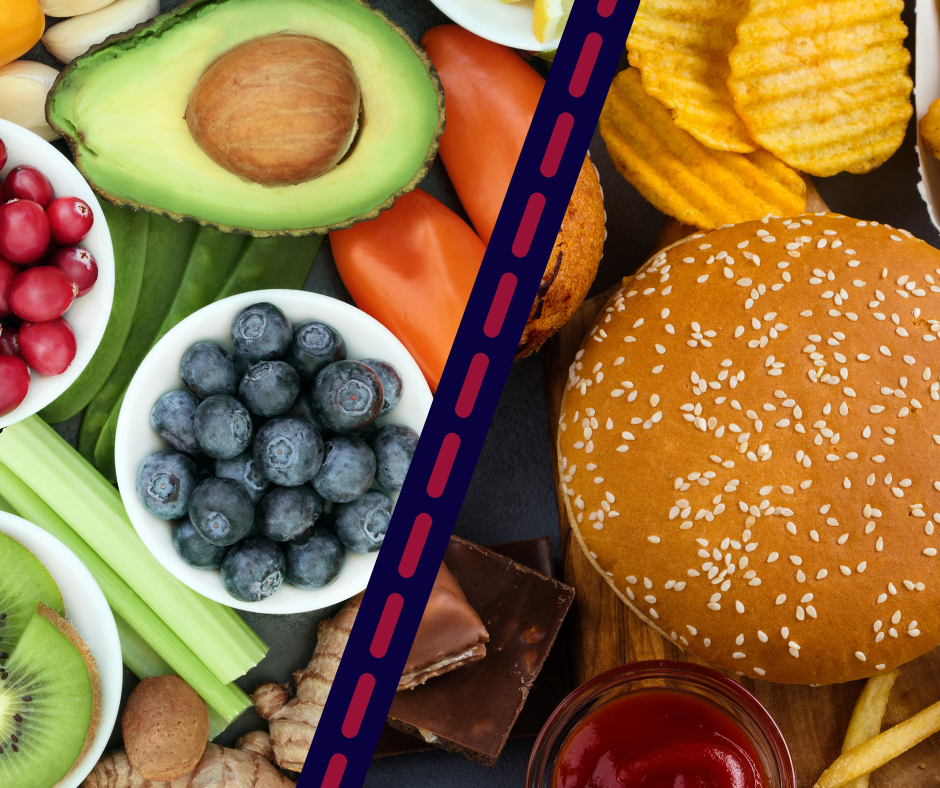
Facing moral decisions, the brain can save energy by exploiting the self-licensing heuristic, in other words a self-attributed moral license.
Intuition is experience in action

It was 1983, the Cold War was rampaging, and a man that most of the world had never heard of would have become the greatest hero of all time.
A common error in time management

Being able to meet deadlines and plan activities is the key point to the management of one’s own energies and reducing stress.
Biases that make negotiations fail
Has it ever happened to you that you rejected a proposal, not because it was disadvantageous but because you didn’t like the counterpart?
The effect of portion size on consumption: the unit bias

The unit bias is a cognitive in error that consists in considering a single entity as the appropriate amount to consume, consider or engage.
Red lights, traffic jams and missed flights: what if it is time that manages us?

Hurrying to finish something has a cost that balances or surpasses the benefits. Stop when the time ends and you will learn self-discipline.