Buttons that are designed not to work, but that are useful for reassuring us
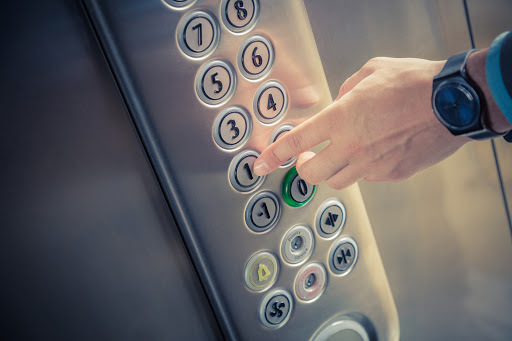
The expression illusion of control demonstrates the tendency of human beings to believe that they have control.
When not intervening is more dangerous: the bystander effect
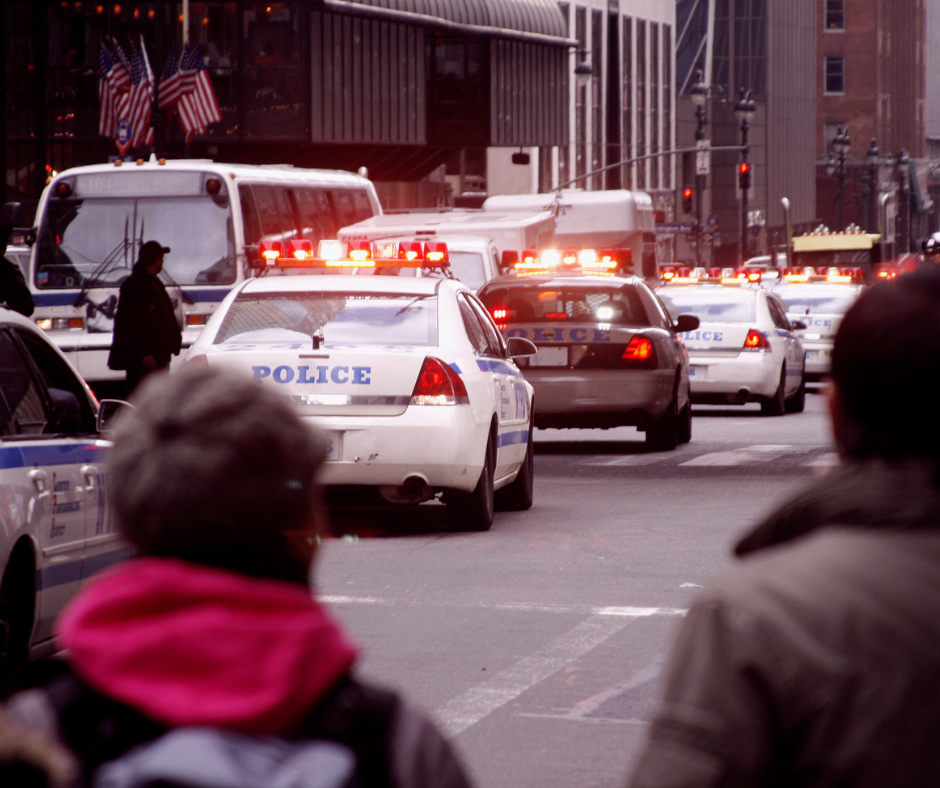
The phenomenon is called the bystander effect, the tendency not to act in a critical situation when other passive spectators are present.
The risks of being controlled by one’s impulses

Temptations are defined as behaviours aimed at satisfying physical needs that may conflict with one’s long term goals.
The culture of honesty in the workplace: with nudges you can!
Being honest is not easy, let’s be honest…. And not always do the examples highlighted in the press help us stand firm on our good intentions.
“Only ordinary people believe it”: the perceived influence of media messages on the public
Third-Person Effect, i.e., the tendency to overestimate the influence of mass communication on others, but not on oneself.
The neuroscience behind the Cirque du Soleil
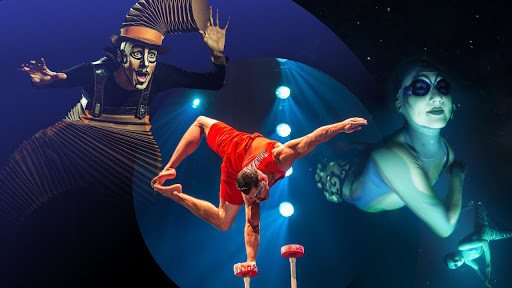
Has it ever happened to you that you were so moved by a performance that you cried, without being able to explain later what you had experienced emotionally?
Secure or random reward? The effect of motivating uncertainty
In a travelling amusement park there is a stall, run by an elderly gentleman, who invites visitors to the park to challenge him in his game, in exchange of a prize.
The more we are, the more attractive we look: the cheerleader effect
Too often we tend to look at biases with mistrust, but what if we told you that there is one that is able to make us look more attractive? Would you reject it regardless? It’s called the cheerleader effect, the cognitive bias that leads us to think that individuals are more attractive than they really are when they are in a group, rather than alone.
The fear of being judged: the social desirability bias
Among the elements that can influence the choice in a poll, there are the administration method and the context in which it is conducted.
Who’s the surgeon? How biases influence the decision-making process and our thinking

This riddle, known as the surgeon dilemma, is useful to show how prejudices, stereotypes, convictions and beliefs work. How much and in what way we allow to be influenced by biases and heuristics, or, more commonly, mental traps, as further proof of man’s irrationality.